
In Intermediate Sculpture: World-Belonging, I was tasked with materializing spaces that capture a sense of belonging and understanding of the environments I occupy. Through this process, I explore materials and techniques such as macrame, weaving, welding, plasma cutting, and biomaterials.
crochet and macrame installation
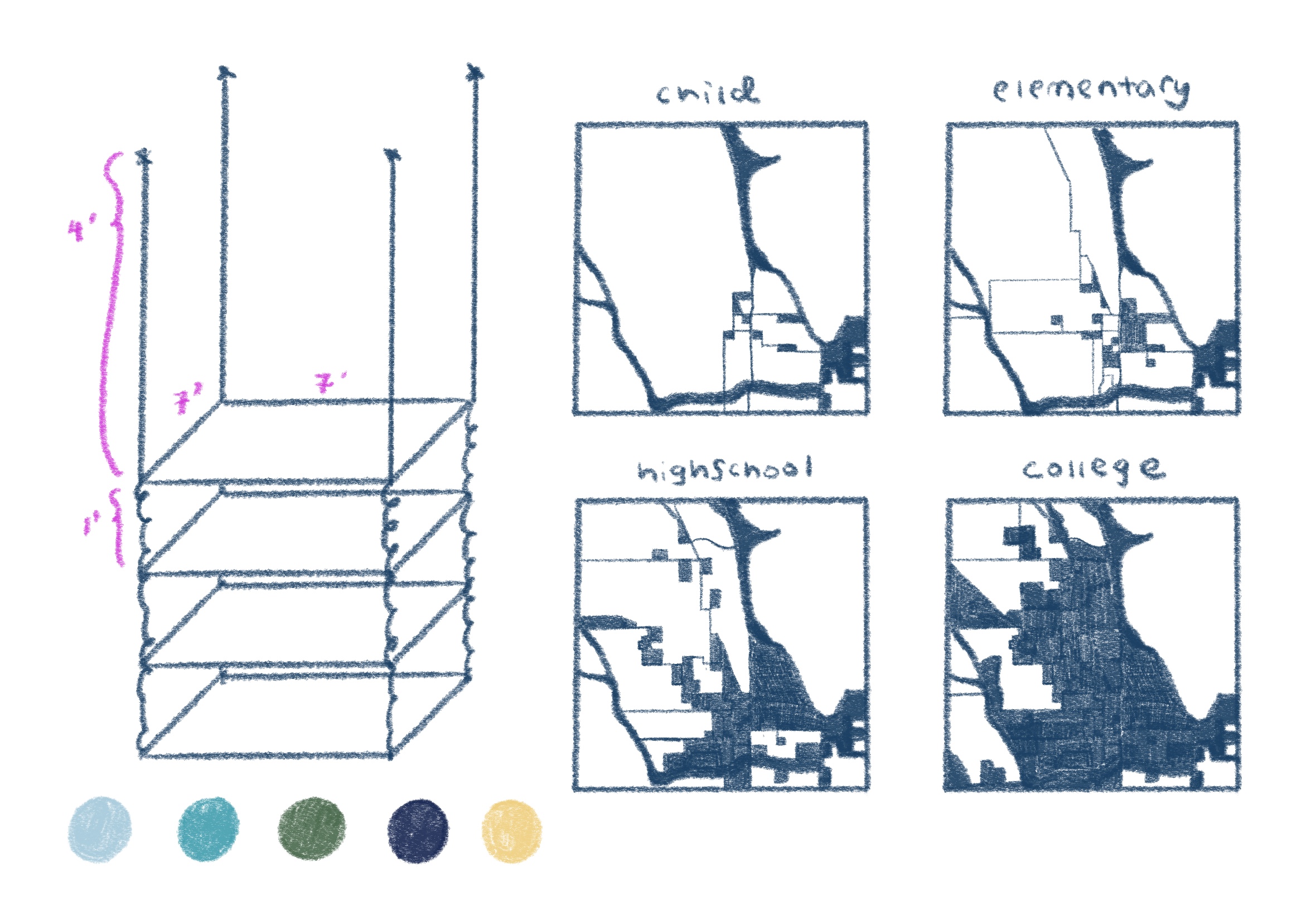
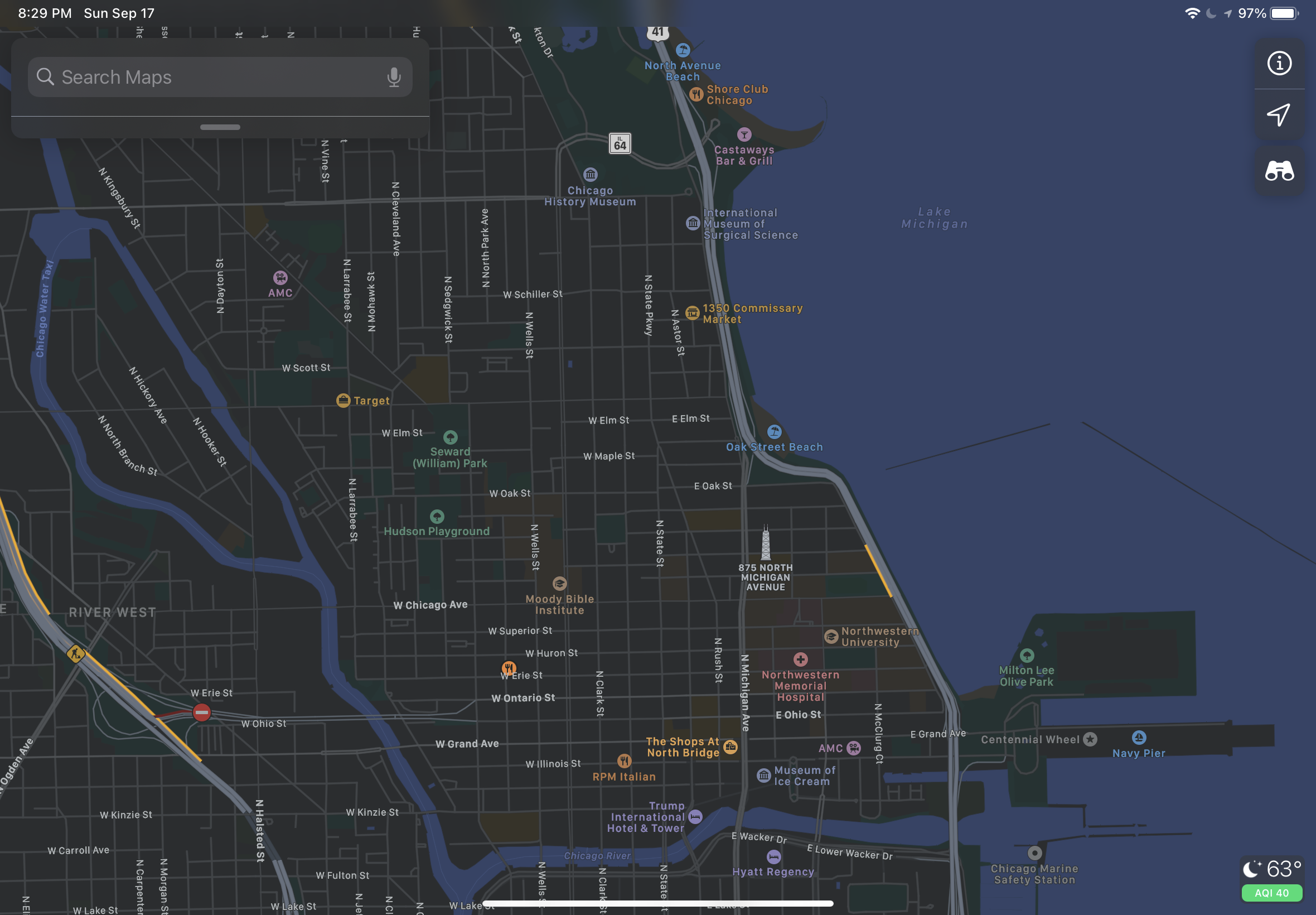
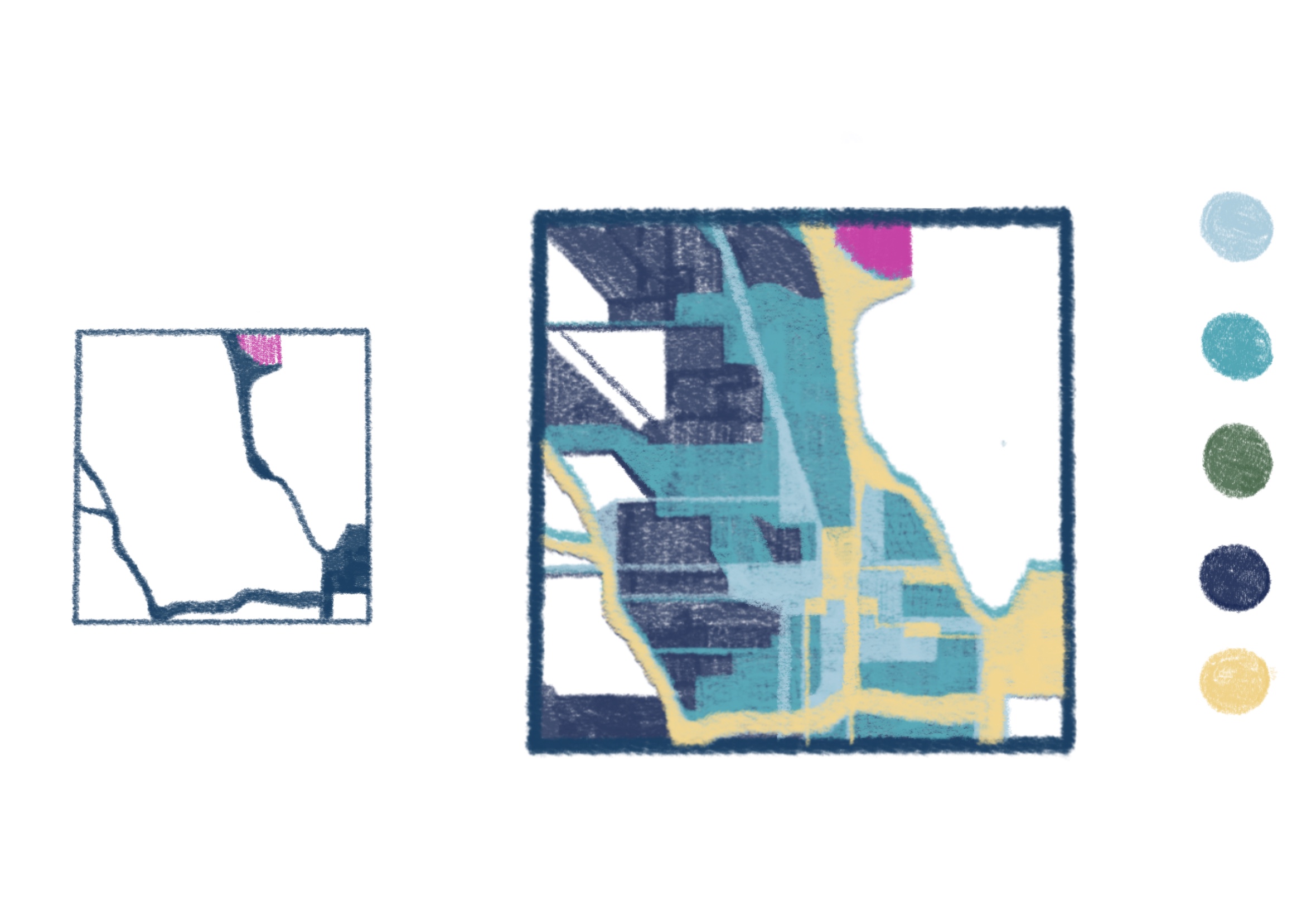

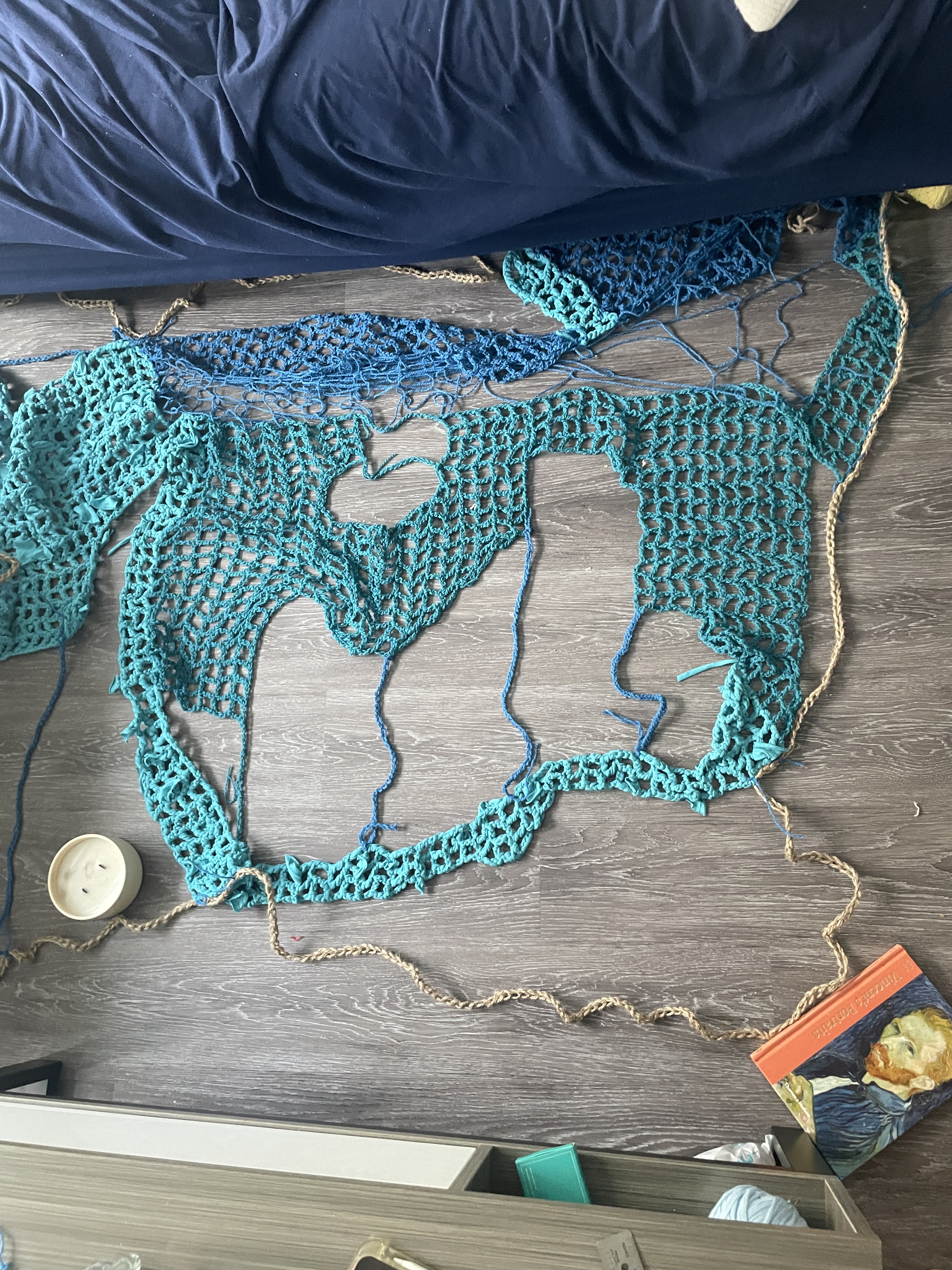


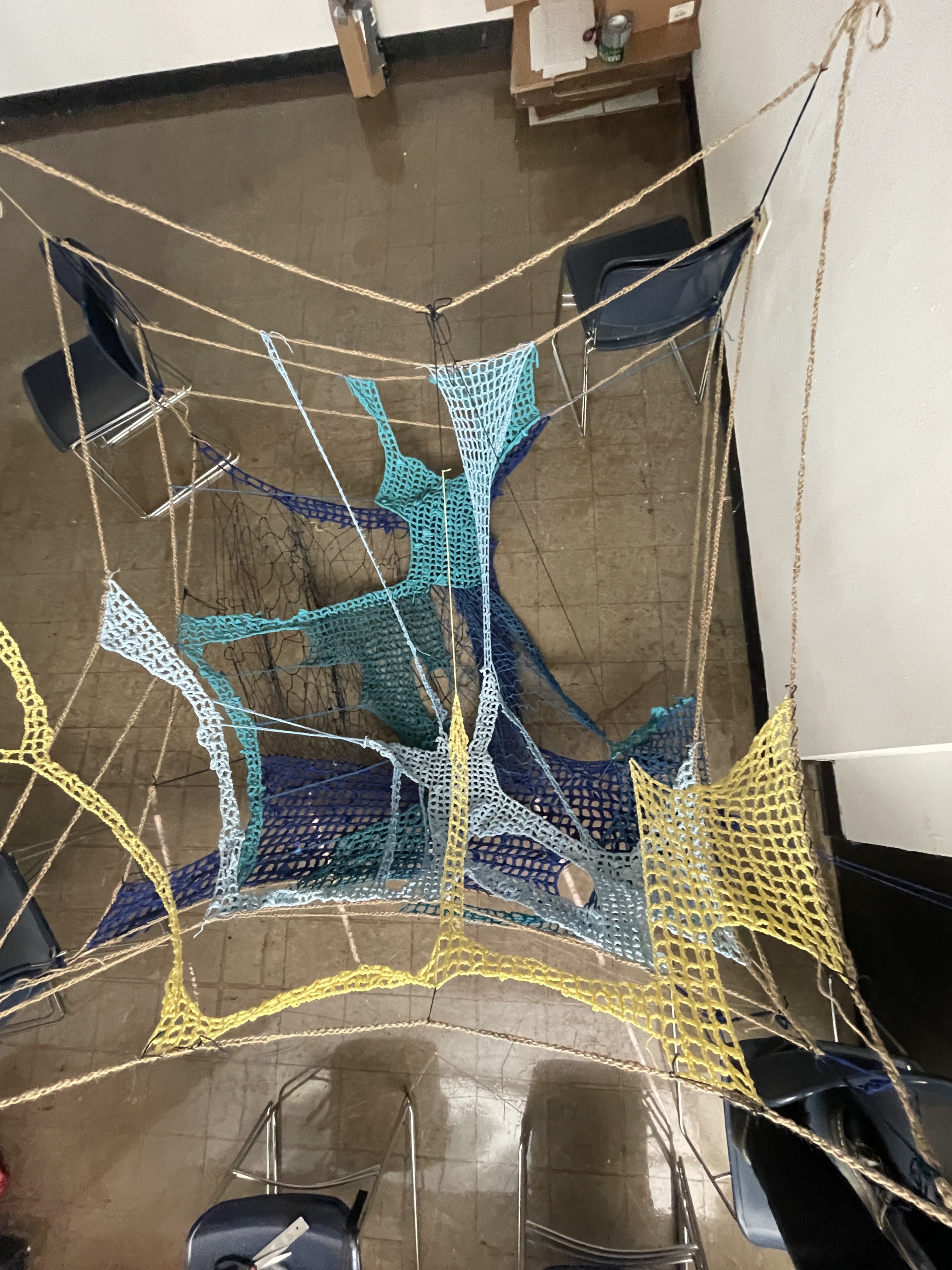
This installation was inspired by the concept of European cartography and mapmaking explored in Gilbert “Magu” Lujan’s work, as well as the idea that we can only see 2D as 3D inhabitants. Only in the 4D can we fully experience the 3D. The installation is a map delineating my footprint in a portion of Chicago throughout my life. Each layer is a planar cross-section of physical footprint and distinct memories. When installed together, the cross-sections create a unique understanding of space that viewers can observe from multiple vantage points.

metal and biomaterial installation
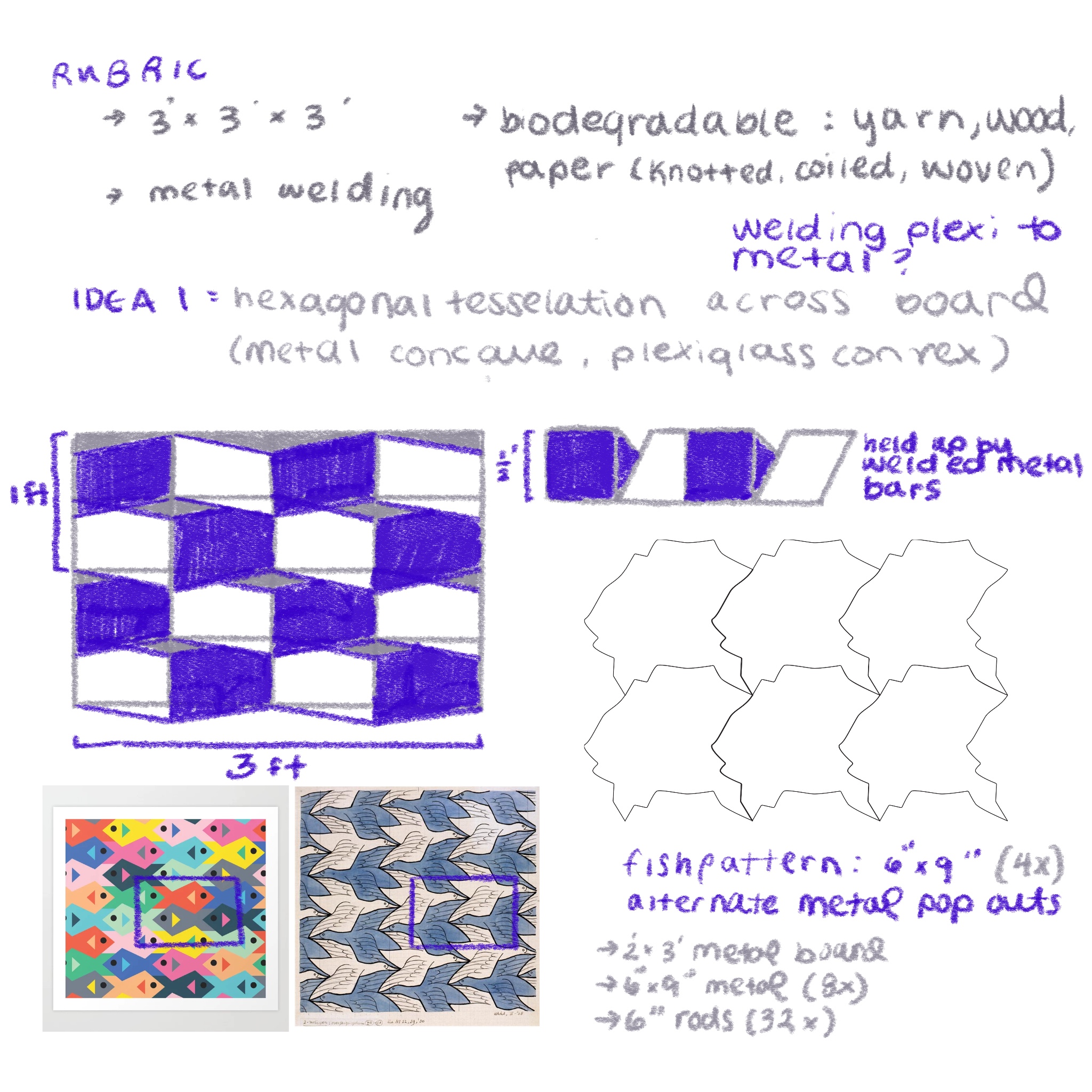

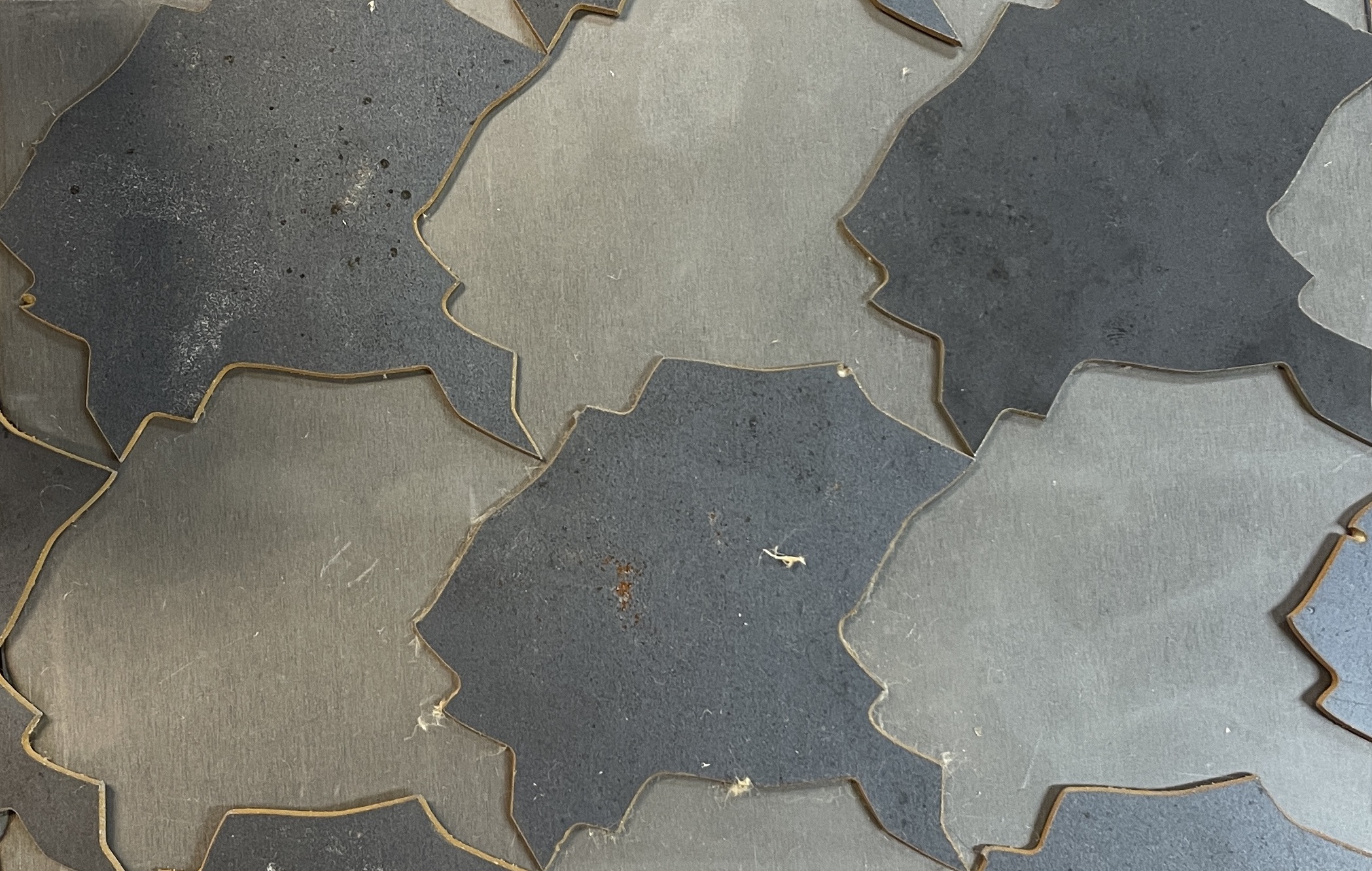
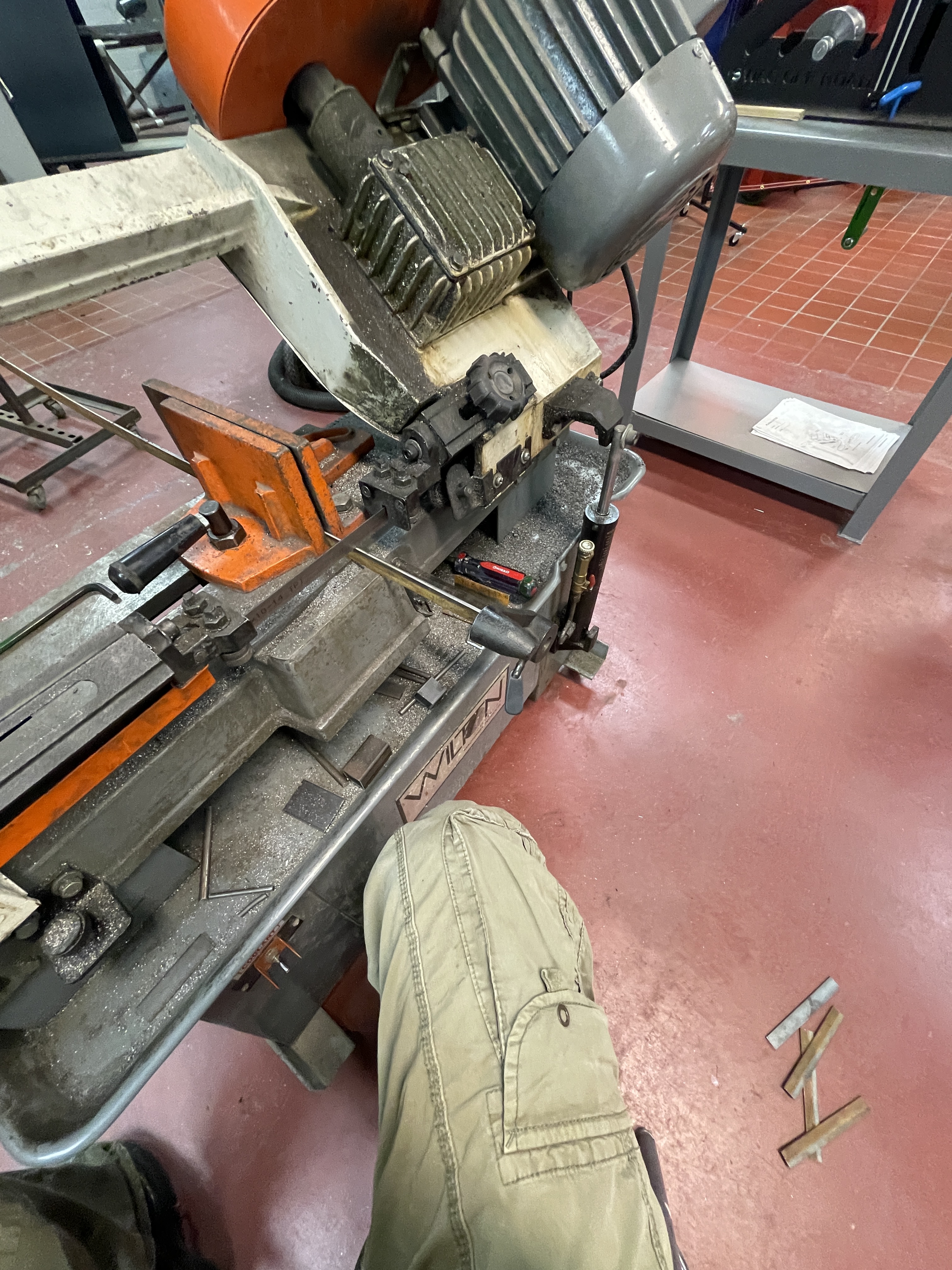

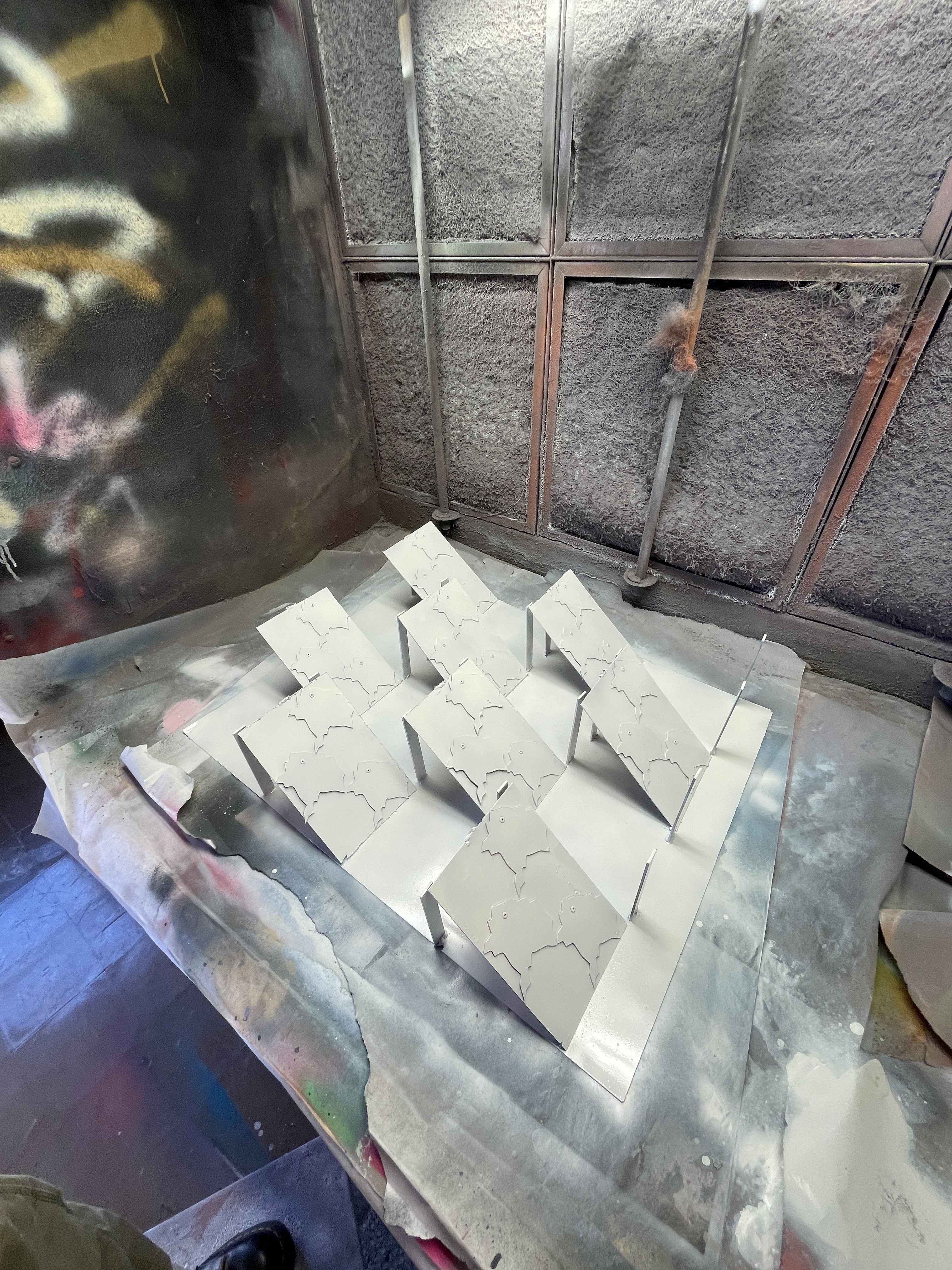

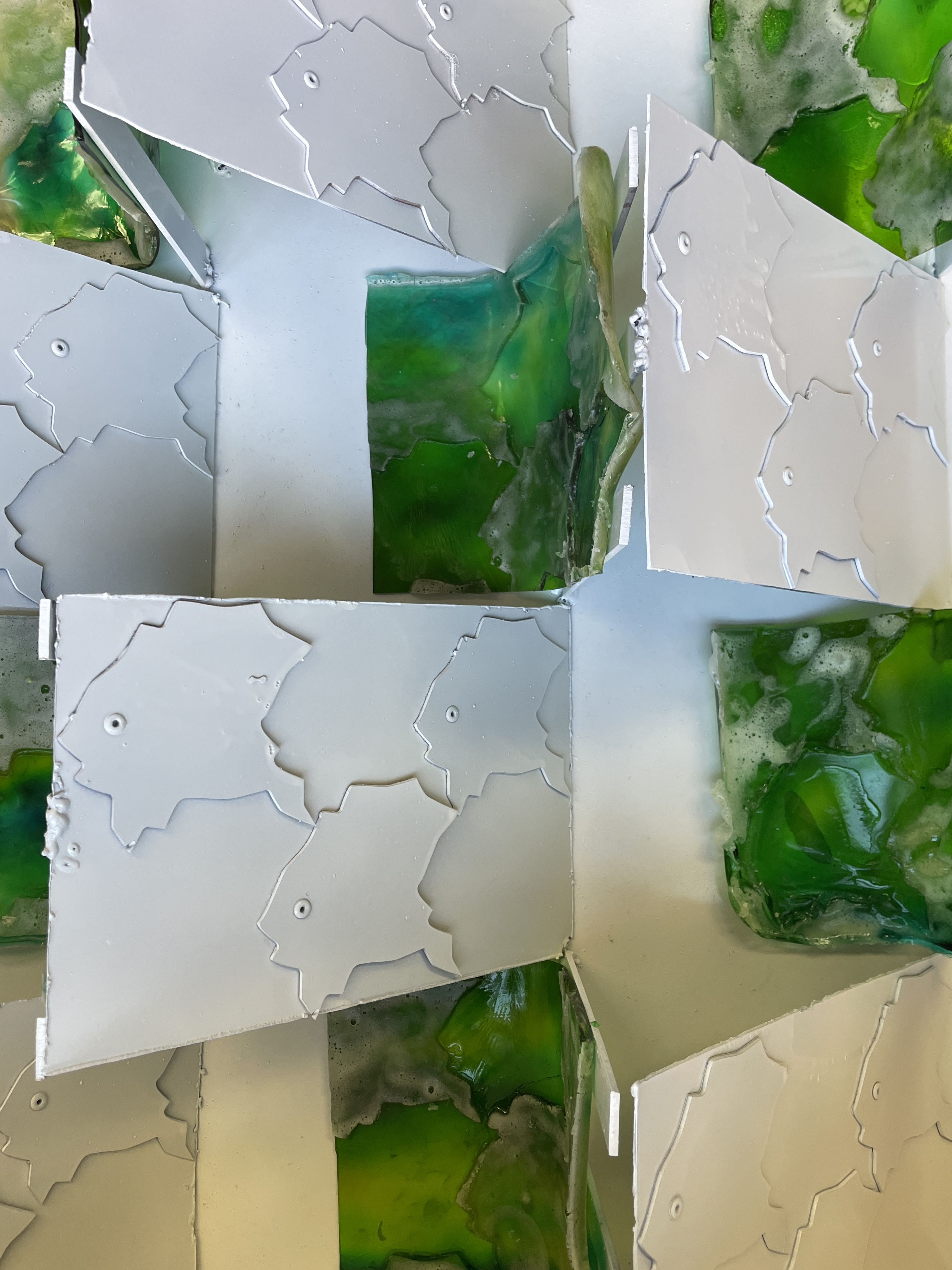
The installation was a two-part project broken down into the metal skeletal frame and the biomaterial outer layer. Inspired by Escher’s work with tesselations, I designed a fish tesselation to create a sense of natural movement across metals and biomaterials. Using a waterjet, I cut out the tesselation pieces which were then layered in an alternating pattern and adhered to smaller metal sheets with rivets. With a horizontal band saw, I cut flat bars as a support system for the metal sheets which were welded to a larger base sheet. The skeletal frame was completed with a finishing coat of white spray paint.
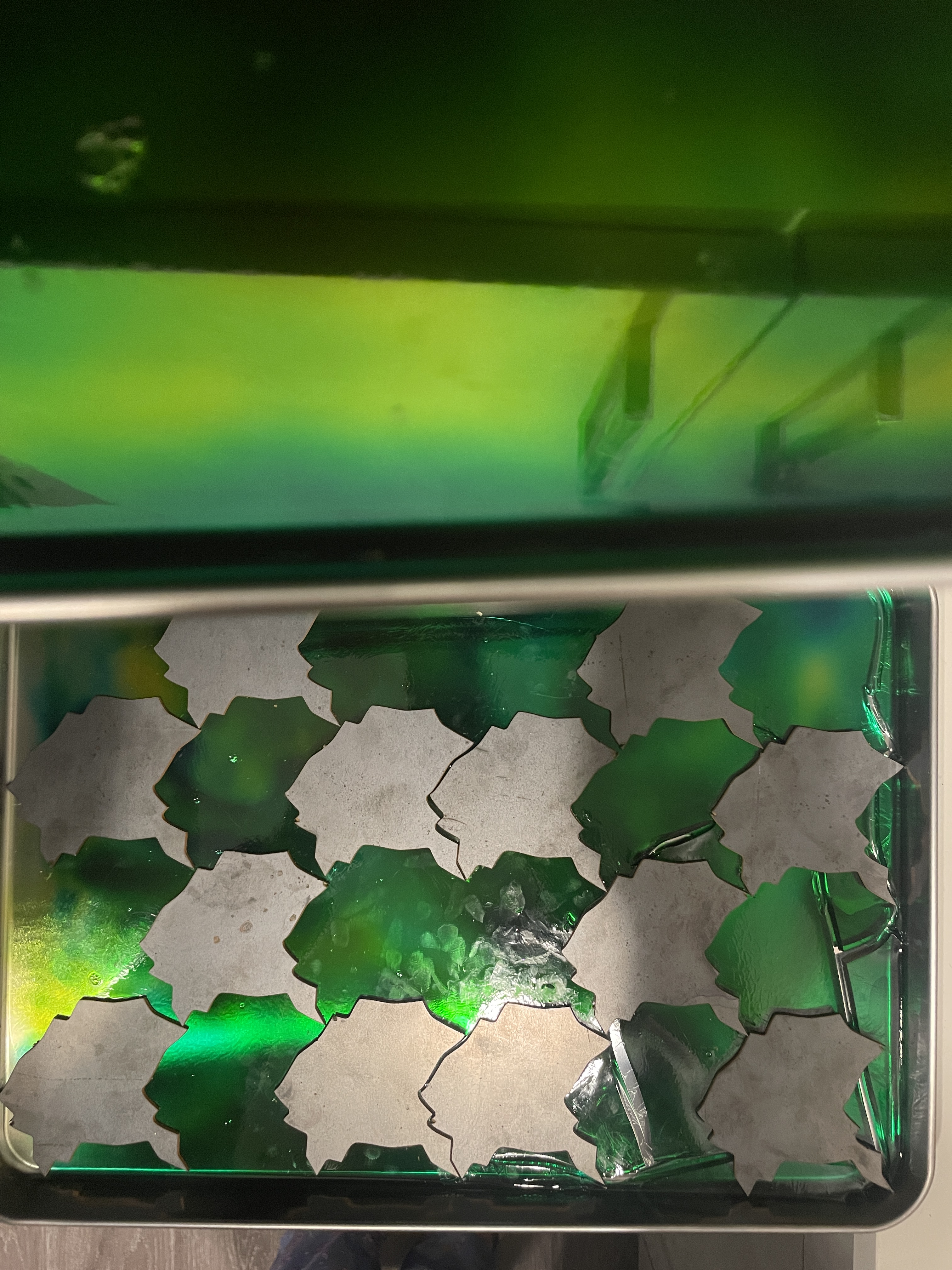
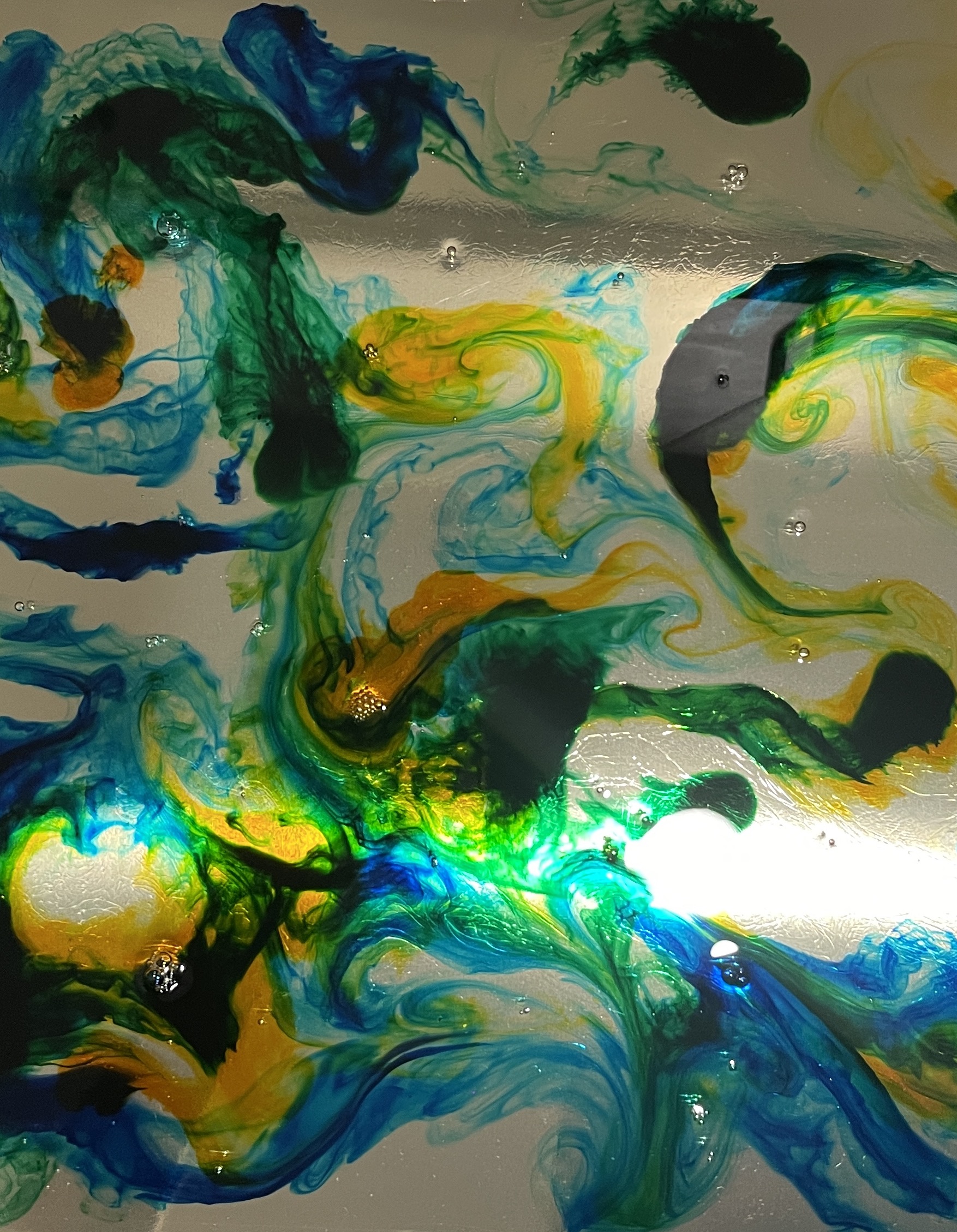
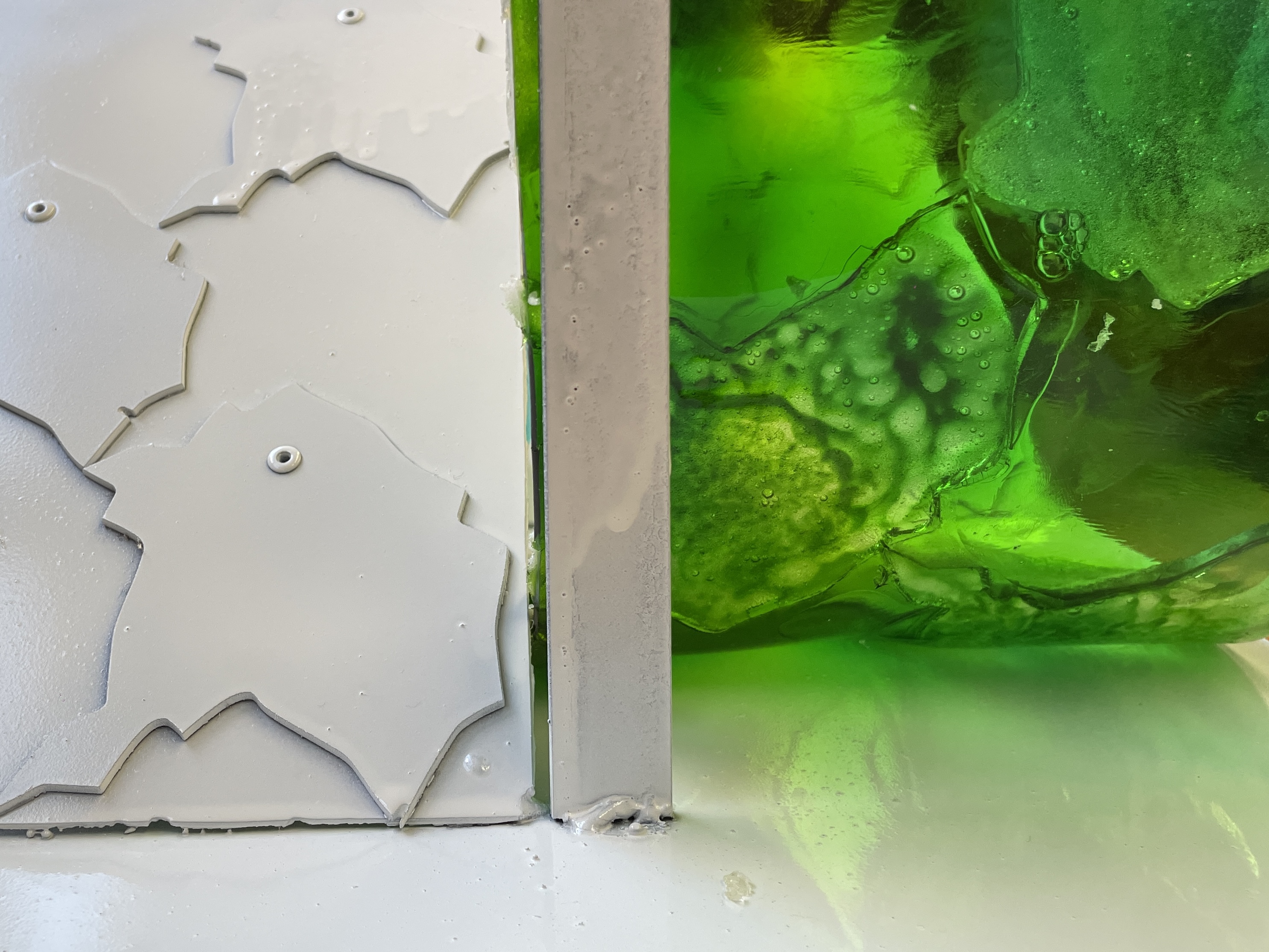
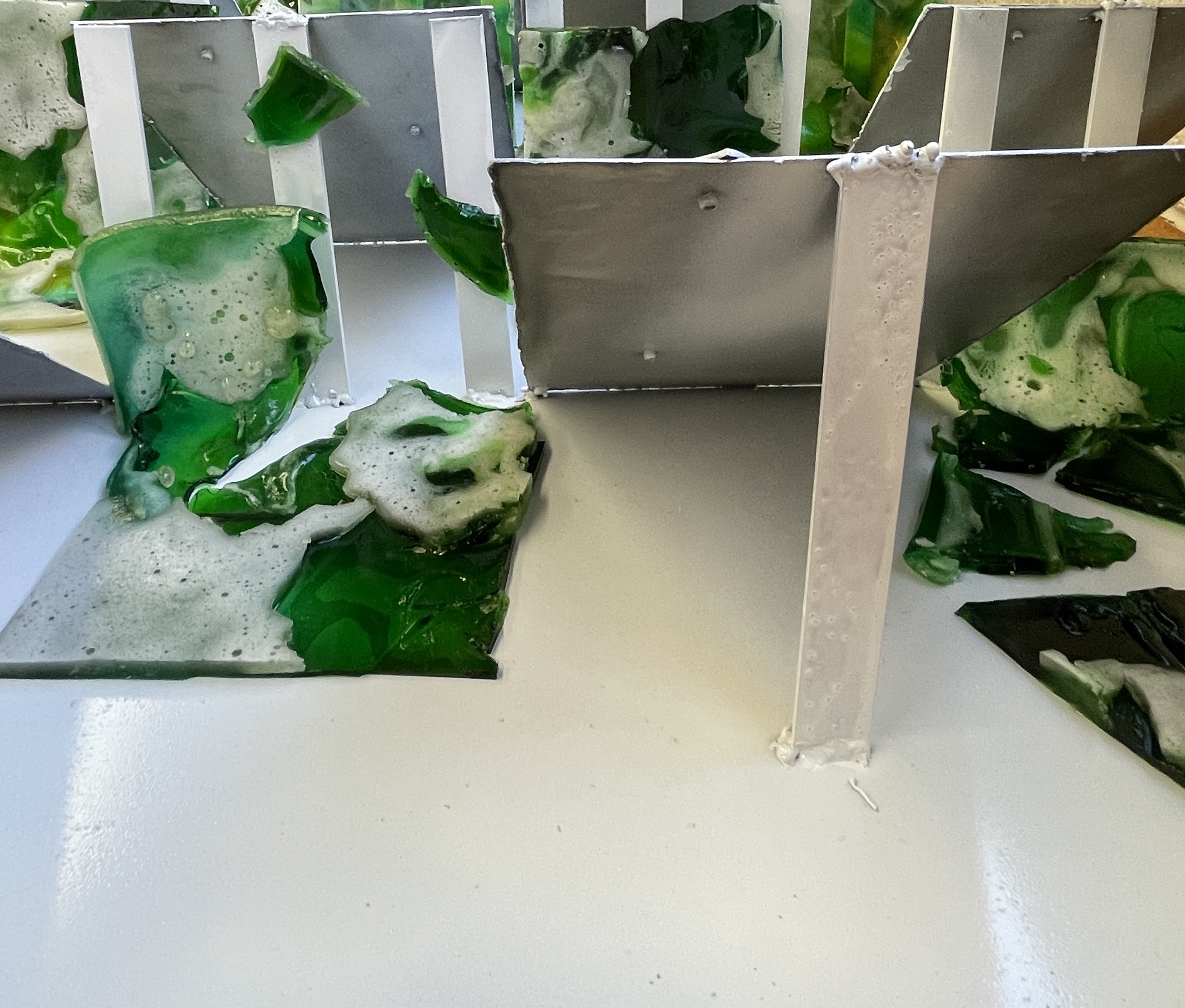
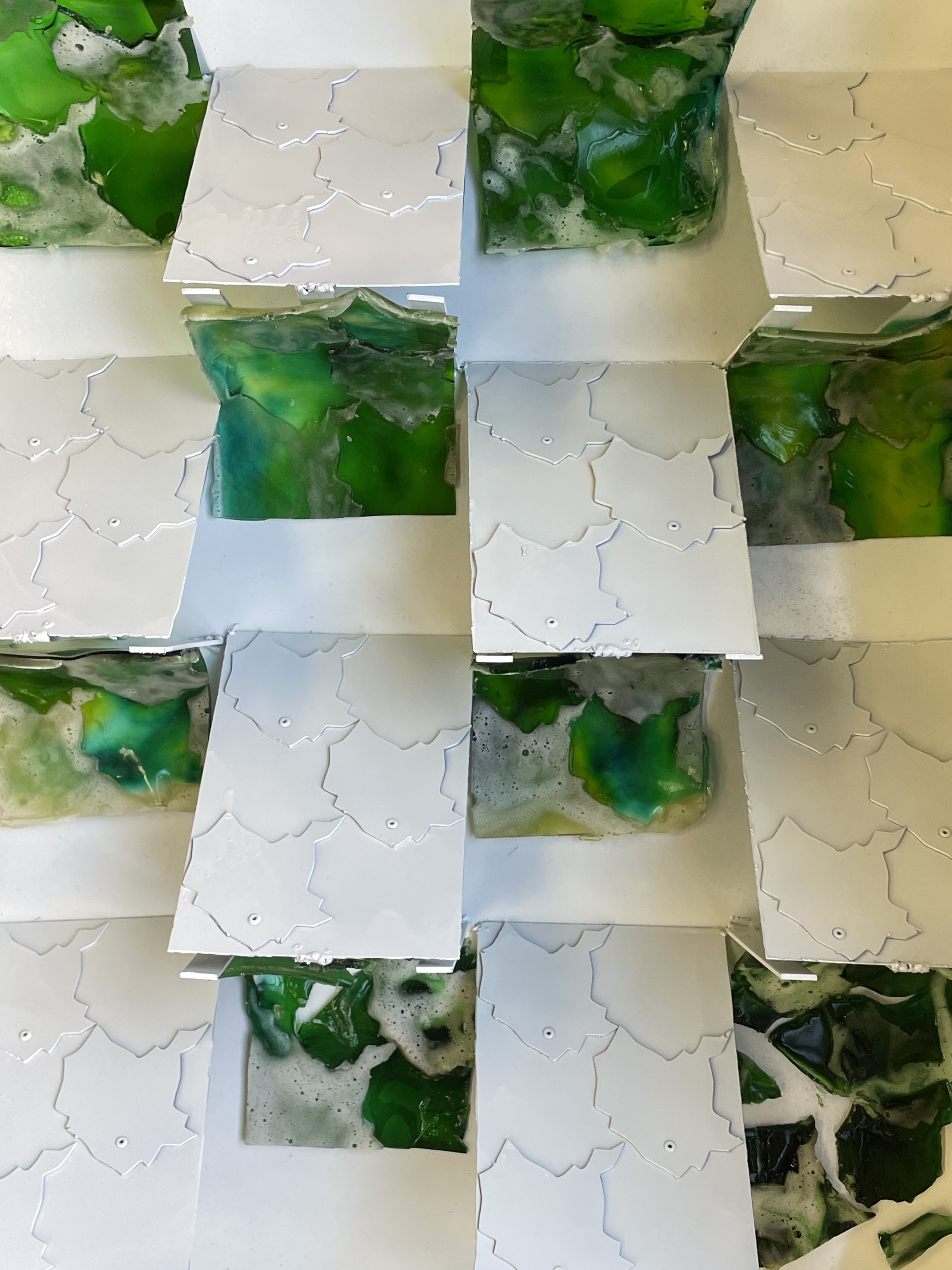
The first layer of biomaterial was created using a 1:2:4 part mixture of beef gelatin, glycerin, water, and food coloring. After resting for a week, the material shrunk to a thin layer of bio-leather, similar to the consistency of a fruit roll-up. Using the extra fish cutouts, I recreated the tesselation pattern that served as a mold for a second biomaterial mixture. The second layer was made up of the same ingredients but followed a 2:4:1 ratio so that it was more transparent and dried faster. While attaching the biomaterial to the skeletal frame, I noticed the biomaterial was drooping, creating a sunken effect. Additionally, part of the initial biomaterial layer was cracking, likely due to a lack of drying time. Thus, in the final product, the installation becomes a dichotomy of man-made and natural materials, reflecting the breakdown of the natural world as a tradeoff of our man-made one.

 paintingwithalice